
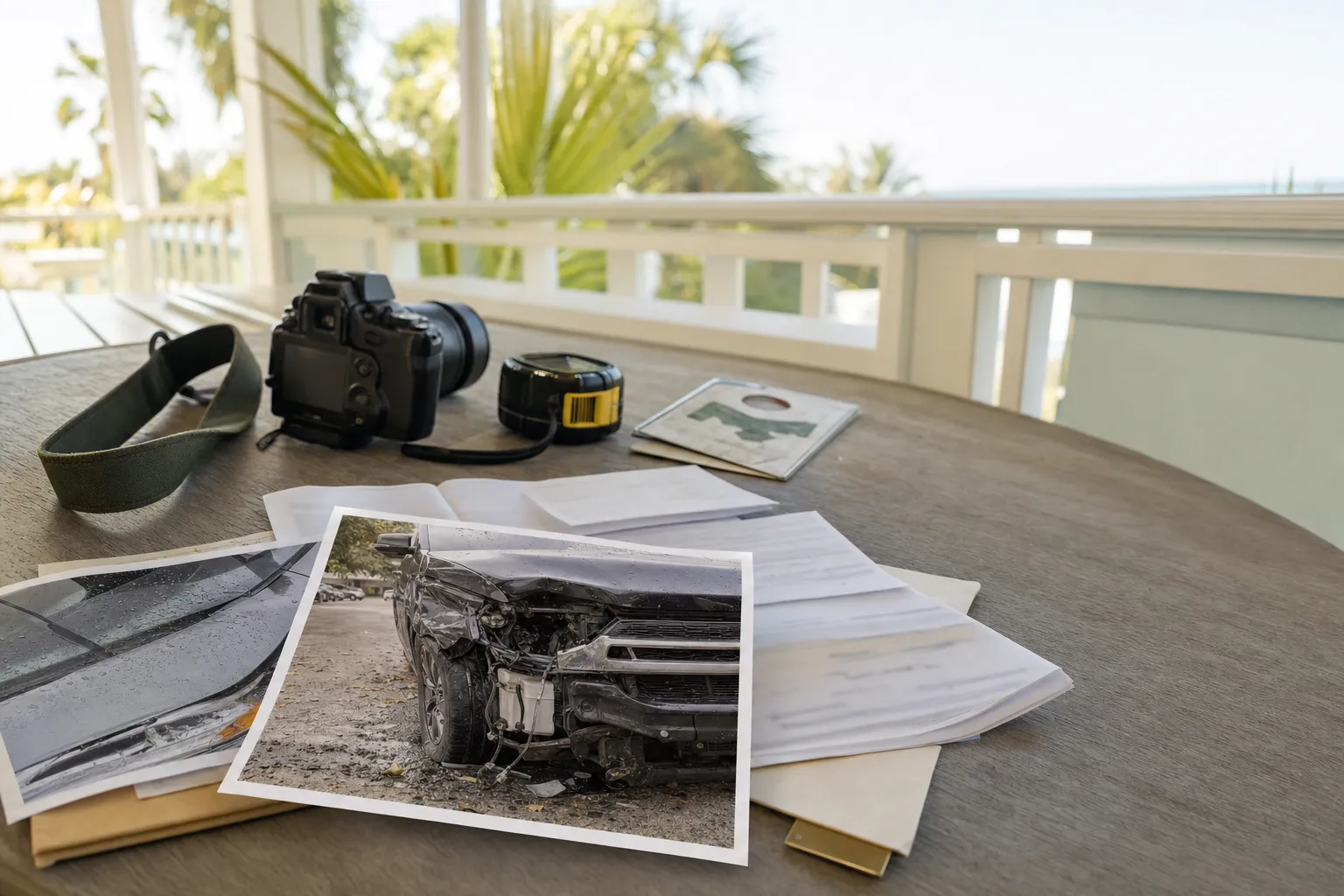
Yes. You should have claim documentation reviewed before you start an insurance claim dispute because a careful review identifies coverage issues, fills factual gaps, and creates the evidence trail needed to prove damages and liability. Reviewing documents early changes strategy, shortens disputes, and often increases recovery without unnecessary arguments.
What claim documentation is
When we say claim documentation, we mean the written and recorded materials that describe the loss, the policy, and the parties actions after an event. The most important items are not only what you submit to an insurer, but also what the insurer creates while handling the claim.
- Insurance policy declarations, endorsements and coverage forms
- Claim forms, proof of loss statements and supplements
- Adjuster notes and internal insurer correspondence
- Photographs, video and drone imagery of damage
- Repair estimates, contractor invoices and receipts
- Medical records, bills and provider notes for injury claims
- Police reports, incident reports and witness statements
- Communications with the insurer by email, letter and recorded phone logs
- Appraisal reports, independent expert reports and inspection findings
Why reviewing documentation matters in Bayside Florida
Local conditions and local practice affect disputes. We practice from Sarasota, and we see how property risks like hurricane damage, coastal corrosion and seasonal claims patterns influence both coverage interpretation and insurer response times in Bayside Florida.
Reviewing documentation early matters here because:
- Local weather events create complex loss scenarios that require cause of loss analysis
- Insurer adjuster reports may omit damage progression common in coastal properties
- Policy language on wind, flood or named storms often changes how loss is valued
- Timeliness and the sequence of filings can affect coverage and statute of limitations issues for Florida claims
We link our discussion to specific local resources so you know what to expect. For a focused discussion on claim paperwork, see our topic page on claim documentation. If you are thinking about a dispute, review our service overview for Insurance Claim Disputes. For location specific guidance, see the Bayside, Florida location page at Bayside Florida.
Key concepts we check during a documentation review
When we review documents for a potential dispute, we are looking for three outcomes: proof of coverage, proof of loss, and a defensible valuation of damages. Below are the specific concepts we examine.
- Policy coverage and exclusions. We read declarations, endorsements and exclusions to determine whether the loss falls within policy terms.
- Cause of loss and timing. We compare dates, photos and incident reports to confirm when and how damage occurred.
- Adjuster work product. Adjuster notes and estimates often guide later negotiations, so we identify omissions and inconsistencies.
- Chain of communications. We collect emails, letters and call logs to document what was reported and when.
- Valuation methods. We check how estimates were prepared, what scopes were used, and whether alternative valuations were considered.
- Third party records. Medical records, contractor invoices, and police reports provide independent verification of losses.
- Potential defenses. We identify common insurer defenses, such as late notice, maintenance exclusions or preexisting conditions, and look for documentation that rebuts them.
Documentation checklist you can gather before a review
- Policy declarations page and any recent endorsements
- Claim number, claim forms and proof of loss statements
- All photographs and videos with timestamps
- Repair estimates and receipts for emergency mitigation
- Medical records and bills related to the incident
- Police reports and witness names and contact details
- Copies of emails and letters to or from the insurer
How the quality of documentation changes dispute outcomes
Not all documentation is equal. A complete, organized file usually leads to a faster, stronger resolution. Missing or conflicting documents create doubt and give insurers room to deny, undervalue or delay.
| Complete documentation | Incomplete or disorganized documentation |
|---|---|
| Clear timeline supported by photos, invoices and reports | Unclear timelines, missing photos or undocumented repairs |
| Independent corroboration from police, contractors or medical providers | Only claimant statements without outside verification |
| Well documented proof of emergency mitigation and costs | No receipts for emergency actions, leading to disputes over necessity |
| Detailed adjuster notes and itemized estimates to test | Vague adjuster reports and lump sum offers |
How we review documentation, step by step
- Intake and file organization. We collect everything you have, assign a claim chronology and identify immediate gaps.
- Policy analysis. We read the policy wording and endorsements to isolate coverage questions.
- Evidence verification. We cross check photos, reports and invoices against dates and known local conditions.
- Valuation review. We evaluate estimates and quotes, and determine if additional experts are needed for repair cost or loss of use claims.
- Strategy memo. We prepare a concise memo that outlines strengths, weaknesses and next steps for negotiation or dispute resolution.
Pro tip: Preserve original photos and keep a separate backup of all communications. Insurers often rely on the file they created during the claim, so your copies help verify accuracy.
When documentation alone is not enough
Documentation starts the process, but some disputes need further work: expert reports, appraisal, or formal discovery. We do not hand you a DIY script. Instead, we explain what additional records or experts would be persuasive, and why.
Examples of when we recommend additional steps:
- Significant disagreement over cause of loss, such as wind versus water
- Large repair estimates where competition among contractors is limited
- Medical claims with conflicting provider notes or incomplete treatment records
- Possible bad faith indicators in insurer behavior that require internal file review
Common questions about claim documentation and disputes
Below are questions we see most often when clients consider a dispute.
- Can an insurer deny a claim for lack of documentation? Yes, missing proof of loss or failure to provide requested records can be a legitimate basis for denial, but denials must still comply with the policy wording and Florida law.
- How long should I keep records? Keep all claim related records until the claim is finally resolved and any applicable statute of limitations has run. For serious losses, that can mean several years.
- Are text messages and social media posts evidence? Yes. Insurers use social media, and so do we. Messages, photos and posts that relate to the incident can support or undermine parts of a claim.
- Will an early documentation review hurt negotiations? No. A professional review usually strengthens your position by correcting gaps and preparing rebuttals to insurer points.
Related services we frequently coordinate with documentation reviews
Documentation review is closely connected to other parts of a claim. We often link a document review to a larger case plan that includes dispute negotiation or valuation work.
- Insurance Claim Disputes for contested coverage or valuation matters
- Diminished Value assessments when vehicle or property value loss is disputed
- Evidence Gathering for targeted collection of third party records and expert reports
Related locations and how local practice affects evidence
We handle documentation reviews for clients across our local service area, and familiarity with local contractors, adjusters and conditions matters. See location specific guidance for Bayside, Florida at Bayside, Florida. We also serve nearby communities from our Sarasota office when cases require in person inspection or local witness interviews.
Helpful outside resources
When we talk about the role of lawyers and documentation, it helps to understand general duties and standards. The Bureau of Labor Statistics has a useful overview of what lawyers do and how they operate in practice. For technical code or standards, we consult local building codes and contractor specifications when repair scope is disputed.
For more reading about related topics on our site, see the topic page on claim documentation and our resource on medical records management to understand how medical evidence is collected and used.
Key takeaway
Reviewing claim documentation before you start a dispute is one of the most effective early steps you can take. Organized records clarify coverage, reduce surprises, and let us focus on strategy rather than reconstruction. As a boutique firm with more than 30 years of insurance claim adjusting experience, we prioritize documentation because it determines how a dispute is framed and how quickly it can be resolved.
Frequently asked questions
What specific documents should I bring to a documentation review?
Bring the policy declarations and any endorsements, claim forms, all photos and videos, repair estimates, invoices, medical records, police reports and copies of all communications with the insurer. These items let us create a reliable chronology and identify gaps.
Can documentation be reconstructed if it was lost?
Sometimes. We can seek copies from medical providers, police agencies, contractors and the insurer itself. Reconstruction is possible but more time consuming and less reliable than preserved originals.
How long does a review take?
Initial reviews to identify major issues usually take a few days. A full review with valuation and strategy memo depends on the size of the file and whether we need experts, but we will give you a timeline after the intake.
Will you request the insurer file?
Answer.
Yes, in many disputes we request the insurer s file under Florida discovery rules or during settlement negotiations because adjuster notes and internal correspondence are often decisive. We evaluate the insurer s file against claimant records to find inconsistencies.
Where to learn more
Check our Google Business Profile to read client reviews and get directions, and explore related resources on this site to learn more about the process and timing for disputes.