
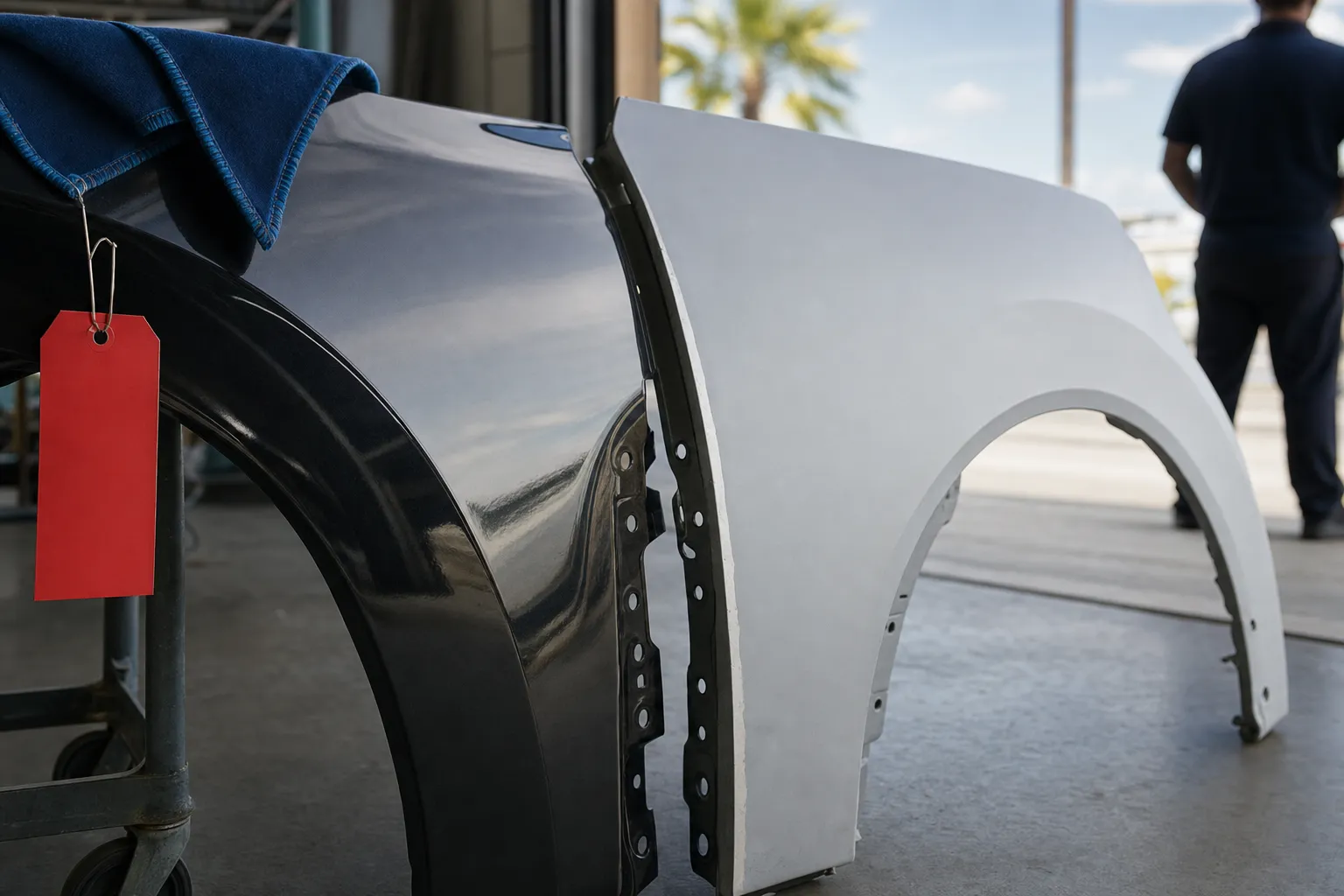
You should consider a diminished value claim when your vehicle has been in an accident and its resale or trade in value is lower even after professional repairs. If an insurer pays for repairs but not for the loss in market value caused by the accident, we review whether a diminished value claim is appropriate.
What diminished value means and why it matters
Diminished value is the gap between what a vehicle would sell for if it had never been damaged and what it will sell for after repairs. That loss can matter when you sell, trade, or insure the car again. Insurers, future buyers, and dealers often price a vehicle lower when its history includes structural repairs, frame work, or major collision claims.
We focus on the practical effect for Lake Sarasota Florida owners, including how local market preferences and demand affect resale. With more than 30 years of insurance adjusting experience, we look past repair invoices and ask whether the market sees the vehicle differently now.
How OEM versus aftermarket parts affect diminished value
OEM parts are made or approved by the original vehicle manufacturer. Aftermarket parts are produced by third parties and vary in fit, finish, and perceived quality. Insurers and buyers treat these parts differently, and that treatment can affect diminished value.
Here are the typical ways parts influence value:
- Perception. Buyers and dealers often prefer OEM repairs because they match factory tolerances and finishes more closely.
- Documentation. Repair records that list OEM parts and certified technicians help support a diminished value claim.
- Appearance and fit. Even small differences in paint matching or panel gaps can lead to lower offers from buyers, which shows up in market comparisons.
That does not mean aftermarket parts always reduce value, but when a vehicle has visible or documented non OEM components, appraisers and used car buyers may discount the price.
When OEM or aftermarket parts change the calculus for a diminished value claim
Consider a diminished value claim if one or more of these apply:
- The insurer authorized repairs but used aftermarket parts while the vehicle originally had factory components.
- Repair records do not show clear paint matching, certification, or warranty information.
- Independent market listings for the same vehicle model in Sarasota show lower offers for cars with reported accidents or non OEM repairs.
In Lake Sarasota, buyer expectations for late model sedans and SUVs are similar to the broader Sarasota market. We review local listings and dealer offers to measure actual market impact, not just theoretical loss.
Pro tip: Keep every repair estimate, parts invoice, and shop receipt. A clear chain of documentation that shows whether OEM parts were used is one of the strongest supports for diminished value.
How diminished value is evaluated
Insurers and appraisers use several methods. Common approaches include market comparisons, the cost to cure, and formula based adjustments that account for vehicle age, mileage, and severity of damage. We typically consider:
- Pre loss market value based on comparable listings in Sarasota and nearby markets.
- The quality of repairs, including whether OEM parts and certified technicians were involved.
- Documented buyer responses such as dealer trade in offers or independent appraisal notes.
Because valuation can be subjective, having a lawyer who understands how insurers think and how appraisers work helps protect your claim. We also review whether a repair used OEM parts when those parts affect long term value.
Practical steps to document diminished value
- Gather evidence. Keep repair orders, parts invoices, photos from before and after the accident, and any dealer or appraiser notes that mention OEM or aftermarket parts.
- Compare the market. Save local listings for the same make, model, year, and mileage, and note which have accident histories.
- Get an independent appraisal. An appraiser who documents how non OEM parts or imperfect repairs affect resale value can be persuasive.
- Preserve repair warranties. If the shop provided a warranty for OEM parts or for workmanship, keep that paperwork with your claim file.
Watch out: Do not accept a repair invoice as the final statement on value. Even high quality repairs can leave a vehicle with lower marketability, especially if non OEM parts were used and the history shows a collision.
How we evaluate and present a diminished value claim
We start by reviewing the repair documentation and market data from Lake Sarasota and greater Sarasota. That includes whether repairs used OEM parts and whether the repair shop is certified. Where the insurer paid only for repairs, we assess if the payment fully compensated the market loss.
Our approach blends adjusting experience and legal strategy. We identify the insurer documentation that matters, collect market comparisons, retain appraisers when necessary, and package the findings so an insurer or a court can see the loss in clear terms. For background on appraisal steps, see our discussion of the appraisal process.
For more on the core service we provide, see our page on Diminished Value claims. We also frequently combine diminished value work with broader insurance claim disputes when an insurer refuses to account for loss in market value.
What to expect in Lake Sarasota Florida
Local market conditions influence how strongly OEM versus aftermarket parts affect value. In Lake Sarasota and nearby neighborhoods, buyers of late model vehicles often check vehicle history reports and will reduce offers for cars with collision records or non factory parts.
We use local listings and dealer trade in data from Sarasota to measure that effect. Where necessary, we retain a market specialist or appraiser to provide a comparable market analysis that shows how OEM parts or their absence changed resale value.
Key takeaway
If your car was repaired with aftermarket parts or the repair history is incomplete, a diminished value claim may be appropriate. Documentation that shows whether OEM parts were used and how the market prices similar cars is the central evidence. With our decades of adjusting and litigation experience, we evaluate those facts and present them where insurers need to see them.
Frequently asked questions
Is diminished value paid in Florida?
Florida law allows diminished value claims when another party is at fault or when an insurer fails to fully compensate the owner. The right approach depends on who is liable and the policy language. We review the facts, the policy, and any applicable timelines to determine if a claim is viable.
Do aftermarket parts automatically lower the value of my car?
No. Aftermarket parts do not always lower value. The effect depends on visibility, fit and finish, and whether the repair was documented. Visible differences in paint or panel alignment and missing documentation tend to reduce offers from buyers and dealers.
How much evidence do I need for a diminished value claim?
Strong claims include repair invoices, parts invoices showing OEM or aftermarket status, before and after photos, local market comparables, and an independent appraisal if available. We often supplement that material with dealer trade in offers or valuation reports.
How long does a diminished value claim take?
Timelines vary. Some claims resolve in a few weeks with clear documentation. Complex disputes, cases that need expert testimony, or matters involving insurance claim disputes can take months. We keep clients informed about realistic timelines based on the facts.
Will using OEM parts always help my claim?
Using OEM parts and certified repair shops strengthens documentation and buyer confidence, but it is not a guarantee. We evaluate whether OEM use changed the market perception enough to justify a diminished value adjustment.
Learn more and check our local presence
Read client reviews and directions on our Google Business Profile, and review related resources on this site for more background on valuation and dispute steps.