
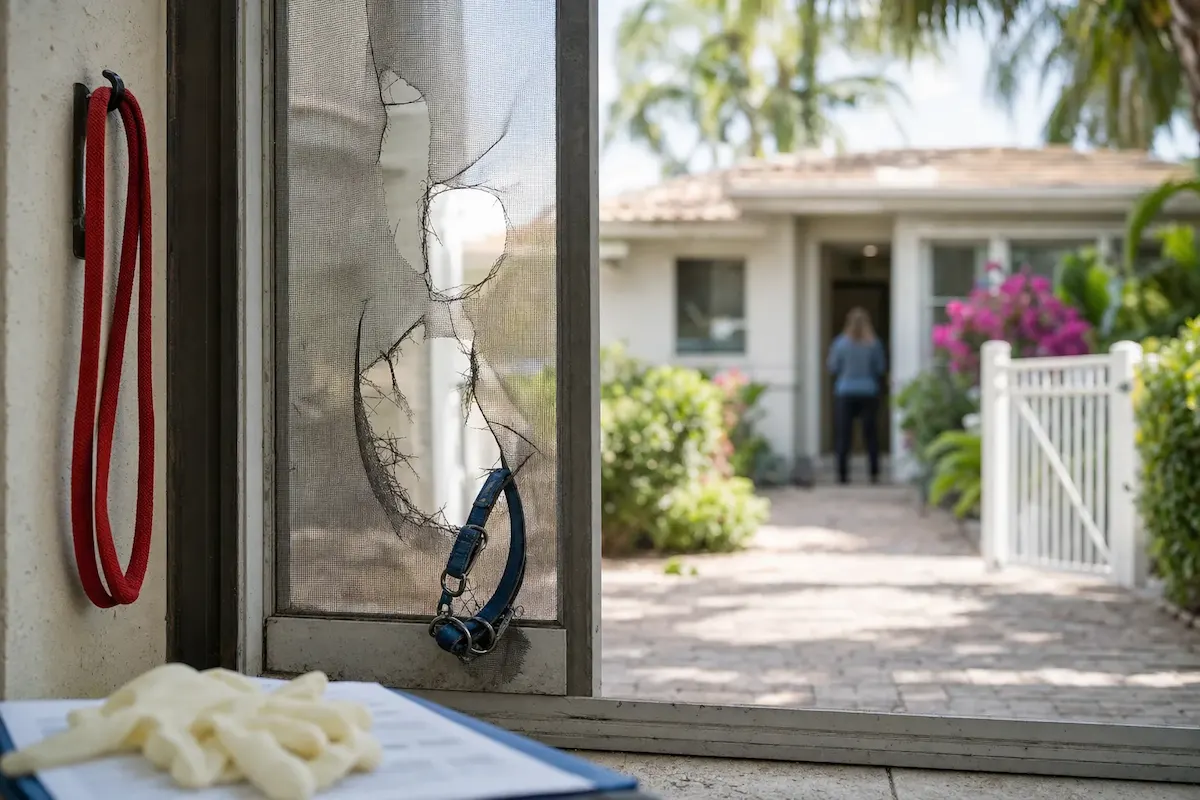
Dog bite liability matters because it decides who is legally responsible for injuries and who pays medical bills and other damages, and it shapes every step of an insurance claim dispute. We explain what liability means in Saddlewood Florida, how insurers evaluate these cases, and what documentation and legal steps make a claim stronger.
What dog bite liability means
Dog bite liability is the legal question of who is responsible when an animal injures someone. In practical terms, liability determines whether a homeowner or renter policy, an umbrella policy, or the injured person must cover medical costs, lost earnings and other losses. In an insurance claim dispute, establishing liability affects coverage, negotiation strategy and the potential need for litigation.
We bring more than 30 years of insurance adjusting experience to this analysis, which helps us see how insurers will value medical expenses, liability exposure and the strength of supporting evidence.
Why dog bite liability matters in Saddlewood Florida
Local context changes how claims play out. Saddlewood has mixed residential areas, family properties and active walking routes where encounters between dogs and visitors are common. For homeowners, property managers and HOAs, a single incident can trigger multiple claims and covered exposures.
From an insurance claim perspective, liability matters because it:
- Determines which policy applies and whether the insurer accepts or denies fault.
- Shapes early settlement offers and the insurer valuation of medical and non economic damages.
- Creates potential subrogation or third party claims if another insurer should pay.
When we handle these disputes, we focus on evidence and timing. Strong documentation early on often changes an insurer conversation from denial to meaningful negotiation.
Key concepts to understand
- Negligence versus other legal standards. Liability often centers on whether the owner acted reasonably to prevent the injury. See our topic on Liability Analysis for a deeper discussion of legal standards and evidence.
- Insurance coverage layers. Medical payments coverage, primary liability and umbrella limits play different roles in resolving a claim.
- Comparative fault and shared responsibility. Fault may be shared, which affects recovery. Related guidance on shared fault is available in our Comparative Negligence topic.
- Prompt reporting and mitigation. Reporting the incident to animal control and to the insurer quickly preserves key records and helps control dispute timelines.
What insurers look for
Insurers evaluate dog bite claims the same way they evaluate other liability claims. Key factors include:
- Clear documentation of the injury, including medical records and photos.
- Statements from witnesses and any incident reports or animal control records.
- Evidence of the dog owners conduct before and after the incident, such as leash use, warnings, prior incidents and attempts to address the hazard.
- Policy terms and exclusions that affect coverage.
Because insurers follow predictable claim paths, our work emphasizes collecting the right evidence early, reviewing policy language carefully, and positioning damages clearly so an adjuster can value the claim without unnecessary delay.
Checklist to build a strong dog bite claim
Essential items to collect
- Photos of the injury and scene, taken immediately if possible.
- Medical records and itemized bills for treatment, imaging and prescriptions.
- Names and contact information for witnesses and anyone who saw the dog happen onto the scene.
- An animal control report or police report, if one was filed.
- Vaccination and ownership records for the dog, if available.
- Copies of any written statements, texts or emails about the incident.
- A record of lost time from work, and proof such as pay stubs where relevant.
Comparing common coverage types
| Coverage type | What it typically pays |
|---|---|
| Medical payments coverage | Short term medical bills regardless of fault, useful for small injuries and early treatment. |
This simple comparison shows how different coverages serve different goals. A liability settlement addresses broader damages like pain and suffering and lost earnings, while medical payments can resolve immediate bills. We review relevant policy sections when we evaluate a claim.
Note: When insurers dispute liability, the difference between a prompt low value payment and a structured liability settlement can be large. Proper documentation and a realistic valuation approach matter.
Common questions property owners and policyholders ask
Below are frequent concerns we see in Saddlewood and how we approach them.
- What if the dog has no prior incidents recorded? Lack of prior complaints can help an owner defend against claims of known dangerousness, but it does not alone resolve a liability issue. We examine the circumstances and all available evidence to show whether the owners conduct made the incident reasonably foreseeable.
- Does homeowner liability always apply? Not always. Coverage depends on the policy language, where the incident happened, and who was at fault. We read the policy and map coverage to the injury to identify which insurer should respond. For policy interpretation issues see Policy Interpretation.
- What if an insurer offers a quick payment? Early offers may resolve bills but might not cover future medical needs, lost wages or pain and suffering. We evaluate offers against documented damages before advising on next steps.
Related services we provide
Dog bite cases can touch multiple practice areas. Our firm handles:
- Dog Bite Injuries claims and negotiations.
- Insurance Claim Disputes involving coverage denials or undervaluation.
- Personal Injury Claims for damages beyond immediate medical bills.
We coordinate with medical providers, expert witnesses and adjusters to build a claim file that supports a fair resolution.
Related locations
We handle dog bite liability matters for clients in Saddlewood and surrounding Sarasota communities. For local needs we often consult property managers, HOAs and local animal control records to establish context. See our Saddlewood location page for community specifics and local resources: Saddlewood Florida.
Helpful resources and where we look for guidance
When we evaluate a claim we review insurer practices and consumer guidance from industry sources, and we use public health materials to understand injury patterns. Two general resources we consult are the National Association of Insurance Commissioners consumer guidance and federal public health guidance on dog bite prevention and treatment from the Centers for Disease Control and Prevention.
For legal topics like liability allocation and comparative fault we draw on industry standards and peer reviewed analyses to frame arguments and settlement positions. For more on evidence and documentation see our Claim Documentation topic.
Pro tip: Preserve photos, medical records and incident reports immediately. Insurers place weight on contemporaneous evidence, and delays can weaken your claim position.
Key takeaway
Dog bite liability is the central question that decides who pays and how a dispute moves forward. Early documentation, a clear mapping of damages to applicable policy language, and experience with how insurers value these claims make the difference between a low early payout and a fair resolution over time.
Frequently asked questions
How do I report a dog bite so it helps an insurance claim?
File an animal control or police report and get medical attention right away. Take dated photos of the injury and scene, record witness contact information, and notify your insurer in writing. Keep copies of every medical bill and record. That evidence supports both immediate payments and liability negotiation.
Will my homeowners insurance cover a dog bite claim?
Homeowners liability coverage often covers dog bite claims by named insureds, but coverage depends on policy terms, exclusions and the incident context. Some policies have breed or exclusion clauses, and some situations involve third party exposure. We review policy language to determine applicable coverage.
What if the insurer denies liability?
Denials are common when fault is disputed. A denial is not the end of the process. We evaluate the denial, gather missing evidence, communicate with the adjuster and pursue claim dispute steps that may include mediation or litigation when appropriate.
Can a dog owner be personally sued even if there is insurance?
Yes, an injured person can sue a dog owner directly. Insurance may defend the owner and cover a judgment up to policy limits, but if coverage is denied or limits are insufficient, personal liability can become a factor. We consider both the insurance landscape and personal exposure when advising clients.
How long do I have to file a lawsuit for a dog bite claim in Florida?
Time limits known as statutes of limitation apply to personal injury claims and vary by case type. Because timing affects options, start documenting and seeking legal advice early to preserve rights. For timing and procedure information see our topic on Statute Limitations.
Where to look next
Read client reviews and directions on our Google Business Profile, and learn more about related coverage and documentation topics on our site. For deeper reading explore our Services hub and Topics hub.