
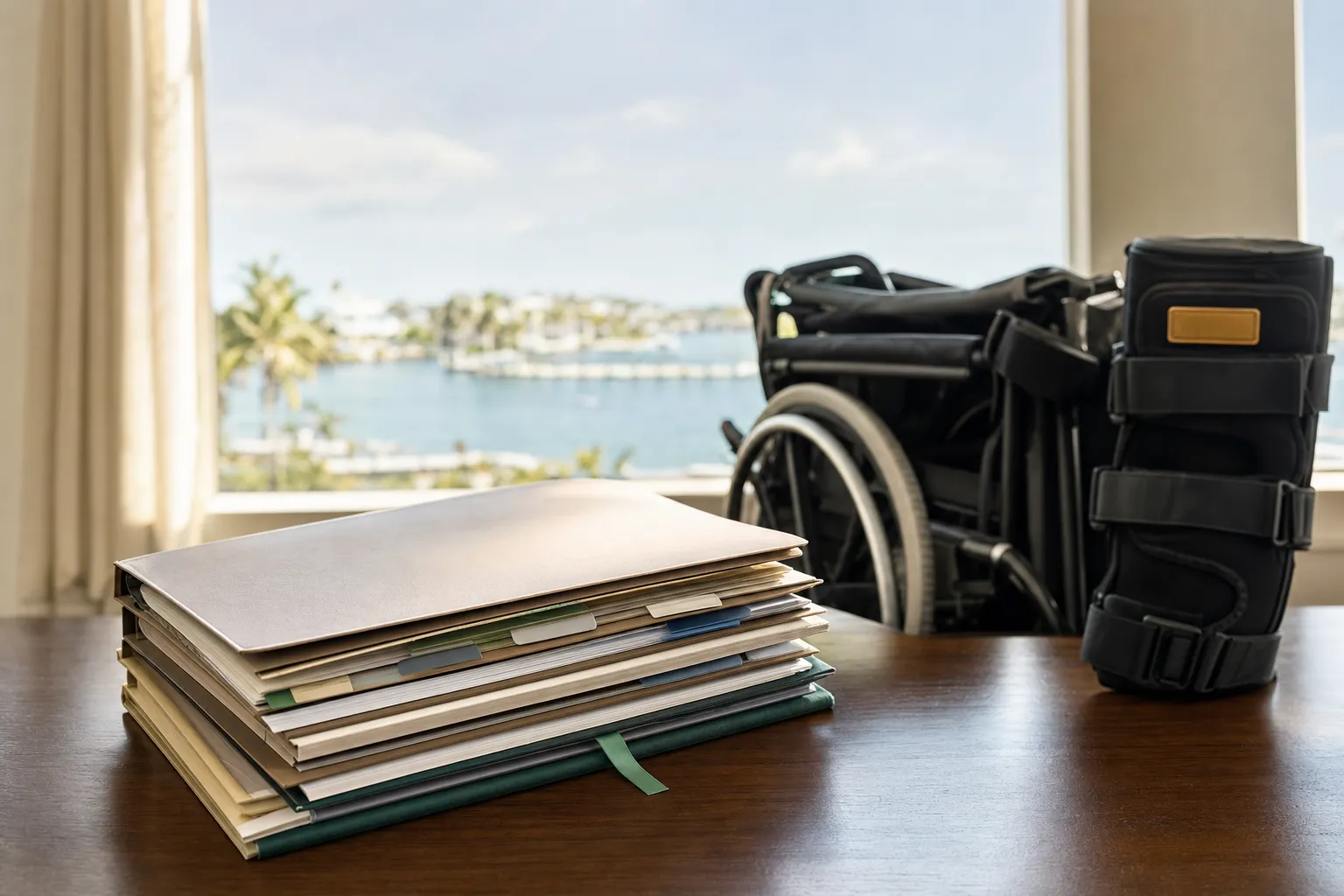
Start by asking, What is a realistic valuation for a catastrophic injury in my case, and what evidence would support that number. Below we list the specific questions you should ask, why each matters, and how those answers affect negotiations and case strategy.
What catastrophic injury valuation means and why it matters
Catastrophic Injury Valuation is the process of estimating the full lifetime cost of severe injuries, including medical care, lost earnings, long term care, and non economic losses such as pain and suffering. For a catastrophic injury claim in Saddlewood, Florida, the valuation frames settlement talks and guides whether litigation is necessary.
We explain valuation factors, the documents insurers expect, and the expert testimony that proves large future losses. Understanding these points helps you ask focused questions of insurers and lawyers so you avoid undervaluing the claim.
Essential questions to ask before you start a claim
Ask these questions early. They cut through generalities and show whether the insurer, the defense, or your counsel understands the long term consequences of a catastrophic injury.
- What is the range of likely damages. Ask for a realistic low and high estimation, not an exact number. A range reflects uncertainty in future care, medical advances, and changes to employability.
- Which losses are included. Confirm whether the estimate includes past and future medical expenses, lost earnings and employability, costs for home modification and personal care, vocational rehabilitation, and non economic losses like pain and suffering.
- What evidence supports the valuation. Request the studies, life care plans, wage analyses, medical records, and expert reports that support an estimate.
- Who will be the expert witnesses. Ask which experts the insurer and your lawyer expect to use, including life care planners, vocational experts, and treating physicians.
- How will future earnings be calculated. Ask whether the calculation uses past earnings, projected career path, inflation, and loss of benefits, and whether a vocational expert will analyze employability.
- What assumptions are being made. Identify assumptions about life expectancy, return to work, need for caregivers, and rates of future medical inflation.
- What gaps could reduce value. Learn what missing records or conflicting testimony could lower a valuation, and what steps close those gaps.
Documents and evidence you should have ready
Insurers expect comprehensive documentation for catastrophic injuries. Collecting these items gives you credibility and makes valuation more defensible.
- Complete hospital and clinic records from the incident and follow up care
- Medication lists and durable medical equipment invoices
- Employer wage statements, tax records, and benefits summaries
- Records of home care, rehabilitation, and therapy
- Photographs of injuries, the scene, and any property damage
- Statements from family members about daily care needs
Pro tip: A life care plan prepared by a qualified planner and detailed wage documentation from employers make catastrophic valuations far more persuasive.
Which experts matter and what they do
Experts translate clinical and economic realities into testimony and reports that a judge, jury, or insurer can evaluate. The typical experts in catastrophic injury valuation include:
- Life care planners, who itemize future medical and personal care needs
- Vocational experts, who assess employability and lost earning capacity
- Economists, who calculate present value of future losses
- Treating physicians and rehabilitation specialists, who testify to prognosis and functional limitations
We work with experts who have experience in high value cases so valuations reflect realistic long term needs, not optimistic best case scenarios.
How valuation affects strategy for Personal Injury Claims
Valuation drives choices about settlement, mediation, and filing suit. If future care costs are large and well documented, a case will likely need stronger expert testimony and a longer negotiation timeline. If the valuation hinges on disputed facts, you will want an early expert report to frame discussions.
For more on our approach to personal injury cases, see our Personal Injury Claims page
Questions to ask about insurance and coverage
Coverage limits and policy details shape recovery potential. Ask who the responsible insurer is, what policy limits apply, and whether there are additional sources such as umbrella policies or uninsured motorist coverage.
If policy language is unclear, a focused review can reveal whether benefits like lifetime care will be disputed. We also look for potential third party liability and subrogation issues that affect net recovery.
Practical steps to prepare before a first meeting
- Gather records. Pull medical records, wage statements, insurance correspondence, and incident reports.
- List witnesses and contacts. Note treating providers, employers, and family members who can describe daily needs.
- Write a daily care log. Document how injuries affect routine tasks and who assists with them.
- Note financial changes. Prepare a summary of lost income, benefits lost, and out of pocket costs.
Watch out: Missing or incomplete medical records and unverified wage claims are common valuation pitfalls. Early documentation is far easier and more persuasive than attempting to reconstruct facts later.
Checklist to bring to a valuation meeting
Bring these items
- All medical records and billing statements
- Employer wage statements and tax documents
- Detailed list of current medications and devices
- Photographs of injuries and incident scene
- Any prior settlement offers or insurer correspondence
Key takeaway
Ask clear, evidence driven questions about how future medical needs, lost earnings, and expert opinions were calculated. Well documented catastrophic injury valuations change the way insurers negotiate, and early preparation preserves the full value of your claim in Saddlewood, Florida.
Frequently asked questions
What is included in a catastrophic injury valuation?
A catastrophic injury valuation typically includes past and projected medical expenses, long term care, assistive devices, home modification, lost earnings and employability, vocational rehabilitation, and non economic losses such as pain and suffering. The valuation should be supported by medical records, a life care plan, and wage documentation.
How long does it take to prepare a valuation for a catastrophic case?
The time varies with complexity. Gathering records, obtaining expert reports, and completing life care plans can take several weeks to a few months. Complex cases with multiple experts or disputed facts may take longer.
Who pays for expert reports and life care plans?
Costs are case specific. In many claims the client initially pays for expert work, and costs may be recoverable as part of a final recovery. Discuss funding options and timing with your attorney before ordering expensive reports.
How do life care plans affect settlement negotiations?
Life care plans translate medical needs into a dollar amount for future care, which anchors settlement discussions. A detailed plan makes high future costs tangible and harder for insurers to dismiss as speculative.
Where can I learn more about catastrophic injury valuation and related topics?
We maintain focused material on Catastrophic Injury Valuation and related topics such as Lost Earnings And Employability and Expert Witnesses. See our topic page on Catastrophic Injury Valuation for deeper guidance.
Learn more and check our local profile
Read Google reviews, get directions, and see our business information on our Google Business Profile. To explore related material on this site, see our Topics and Services pages and our Saddlewood location information.