
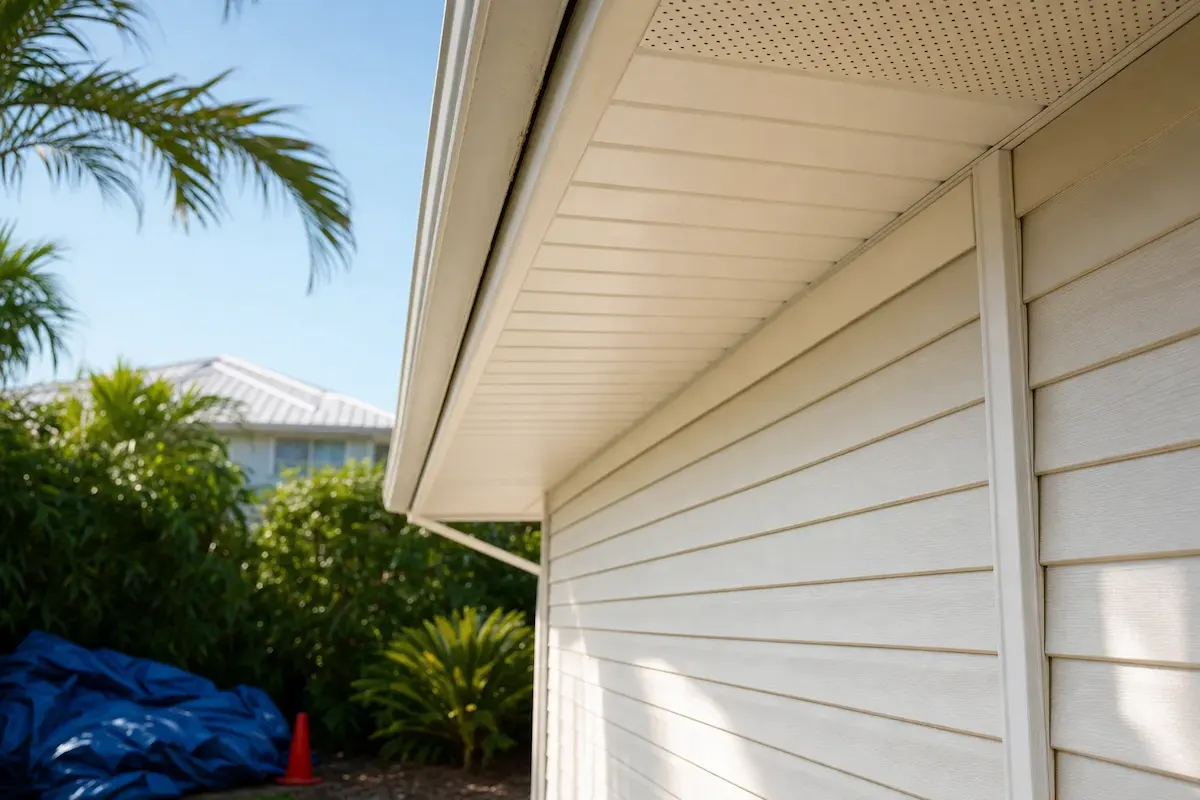
Mitigation duties require you to take reasonable, temporary steps to prevent further loss after damage occurs, such as covering a roof leak, boarding windows, or turning off water to a broken pipe. If you do not take reasonable action, an insurer can reduce your recovery for avoidable damage, so documenting what you did and why matters.
What mitigation duties mean in an insurance claim
Insurance policies commonly require policyholders to act reasonably to protect property after a covered loss. That obligation is often called the duty to mitigate. It is not a call to complete permanent repairs. Instead, it means taking short term measures to stop additional loss, preserving evidence and letting the insurer inspect when possible.
In Sarasota Florida, mitigation is especially important after storm damage, hurricanes and tropical systems. Salt air, standing water and wind can make secondary damage happen quickly. The insurer will look at whether your steps were reasonable under the circumstances when deciding how much to pay.
Immediate steps that satisfy mitigation duties
- Secure safety first. If a condition threatens life or limb, call emergency services and follow safety directions. Your safety comes before property preservation.
- Stop ongoing damage. Take short term actions that prevent more loss, such as placing a tarp over a leaking roof, shutting off a leaking water supply, or moving undamaged belongings out of harm s way.
- Preserve evidence. Photograph or video the scene before you remove damaged items when it is safe to do so. Make dated notes about when you first discovered the damage and what you did.
- Get temporary receipts. Keep receipts for tarps, boarding, emergency repairs and mitigation supplies. Insurers expect documentation of expenses you incur to limit damage.
- Notify your insurer promptly. Report the loss as your policy requires and ask about their preferred inspection window. Many disputes arise when an insurer is not given an opportunity to inspect before permanent changes are made.
What reasonable temporary repairs look like
Reasonable temporary repairs are practical measures that stop more damage while preserving the option for a full repair later. Examples include:
- Covering holes or shingles with a tarp after a roof puncture
- Boarding broken windows during a storm event
- Taping and covering water damaged ceilings to limit collapse risk for a short period
- Turning off water to a burst pipe and mopping up to limit spread
Do not replace original materials or make permanent cosmetic repairs until the insurer approves or you reach agreement. Permanent work can create disputes about whether the repairs were necessary and what the proper cost should be.
Pro tip: A few clear photos with timestamps and a short note describing what you did will often say more to an insurer than a long unsourced list. Keep the originals and back them up.
Documenting mitigation: what insurers want to see
Documentation is the single most important part of meeting mitigation duties. Insurers will evaluate whether your actions were reasonable based on what you can show. Useful evidence includes:
- Before and after photos and videos with dates
- Receipts for tarps, boarding, emergency services and rental equipment
- Contractor or vendor estimates marked as temporary work
- Logs of phone calls and emails with dates, including your notice to the insurer
- Witness names who saw the damage or your mitigation steps
To learn more about building a strong file around photos and paperwork, see our topic on claim documentation.
How failure to mitigate can affect your recovery
If an insurer proves that you could have reasonably prevented additional damage but did not, it can reduce payment by the amount of avoidable loss. That reduction may apply to parts of a loss created after the initial event, not the original damage itself.
Disputes about mitigation are common after hurricanes and flood events when secondary damage accumulates. We handle many cases where an insurer reduces payment for alleged failure to mitigate as part of an overall coverage dispute. Our background in insurance adjusting helps us spot weak insurer positions early.
Common insurer arguments and how to respond
Insurers often raise a few recurring points when they question mitigation. Knowing these in advance helps you respond effectively.
- They say the work was permanent. Keep paperwork and label temporary measures as temporary. Use receipts that describe tarping, boarding or emergency services.
- They claim delayed notice or delayed action. Keep a dated record of discovery and the steps you took, and of when you reported the claim.
- They contend the mitigation made damage worse. Photograph conditions carefully before moving items when safe, and preserve originals. If a contractor did work, get a notice of what was done and why.
For disputes that move beyond initial negotiation, our insurance claim disputes work addresses these themes, including evidence gathering and negotiating with adjusters.
When to involve professionals
Not every mitigation decision requires a lawyer, but some situations benefit from early professional input. Call us when:
- Your insurer denies coverage in part because of alleged failure to mitigate
- Secondary damage is extensive and the insurer is refusing to pay for temporary measures
- You need help preserving evidence or documenting complex losses such as hurricane damage
For property owners in Sarasota and nearby communities, our property damage work often overlaps with hurricane claims and diminished value matters. We bring more than 30 years of insurance adjusting experience to those conversations. See our service pages on property damage claims and hurricane damage claims for how those cases commonly develop.
Checklist: what to do right after you discover damage
Quick mitigation checklist
- Ensure personal safety and contact emergency services if needed
- Take dated photos and video of the damage before making major moves
- Perform reasonable, temporary repairs to stop more damage
- Keep receipts for all mitigation expenses
- Report the loss to your insurer and note the date and person you spoke with
- Do not demolish or permanently alter evidence until the insurer inspects unless the work is necessary for safety
Watch out: Avoid making permanent repairs or signing long term contracts before an insurer inspects. Permanent repairs can create valuation disputes about what was necessary and what was cosmetic.
How we approach mitigation duties in Sarasota
We guide clients through the mitigation, documentation and negotiation process without replacing reputable contractors. Our focus is practical. We evaluate whether your mitigation steps meet the policy s reasonableness standard, identify gaps in documentation, and address insurer disputes where necessary.
Our work typically includes reviewing your mitigation log and photos, advising on preserving evidence, coordinating with repair vendors when proof of temporary work is needed, and using our insurance adjusting experience to counter reductions for alleged failures to mitigate. For complex files, we also rely on expert reports and focused discovery to establish the timing and necessity of actions.
We represent homeowners, HOAs, property managers and business owners across Sarasota, including Turtle Beach and Siesta Beach neighborhoods. If you are handling a property loss, our experience in insurance claims and personal injury matters helps us see the whole picture. Learn more about our local practice on the Sarasota Florida location page.
Related topics that matter
Mitigation duties often intersect with documentation, valuation and dispute processes. Read related guidance on evidence gathering and policy interpretation to build a stronger file.
- Evidence gathering, for building the photo and receipt record
- Policy interpretation, for understanding what your policy requires
- Diminished value, when a vehicle or property loses market value after repair
Frequently asked questions
What counts as reasonable mitigation after a hurricane?
Reasonable mitigation after a hurricane is any short term action intended to stop additional damage, preserve structures and protect personal property. Examples are tarping a roof, boarding windows and moving undamaged items out of harm s way. Document what you do with dated photos and receipts.
Can I be reimbursed for the cost of tarps, boarding and emergency services?
Yes, insurers commonly cover reasonable and necessary mitigation expenses. Keep receipts and label invoices as temporary or emergency work. Report those costs with your claim and include documentation showing why the work was needed.
What if I had to make permanent repairs for safety reasons?
If permanent work was necessary to protect life or prevent imminent collapse, document the reasons, photograph conditions and keep receipts. Explain the emergency nature to the insurer. You may still need to justify the scope and cost later.
Does mitigation duty mean I cannot move damaged items?
You may move items to protect them from further loss, but document where and why you moved them. If possible, photograph items in place first and keep any items that are removed for inspection until the insurer says otherwise.
How long do I have to perform mitigation actions?
There is no universal deadline. The duty is to act reasonably under the circumstances. Prompt action after discovery is important, especially with water and mold risks. Report the claim promptly and follow insurer instructions when practical.
How can Thomas J. Cherichello help with mitigation disputes?
We review the mitigation record, help preserve evidence, advise on documentation strategy and negotiate with insurers. Tom s background in claim adjusting gives us practical insight into how insurers evaluate mitigation, which we use to protect recovery for homeowners and policyholders.
Key takeaway
Take prompt, reasonable temporary steps to stop additional damage, document everything with dates and receipts, and report the claim. Good documentation turns mitigation from a potential problem into evidence that supports your recovery.
Where to learn more
Check Thomas J. Cherichello s Google Business Profile to read client reviews and get directions, and explore related pages to learn more about claim documentation, evidence gathering and property damage services on our site.